
Why Is My Vision Getting Cloudy and Making It Hard to Drive at Night?

If your vision is getting cloudy and night driving feels more difficult, there is usually an underlying reason that should be evaluated. Blurred vision, glare from headlights, halos around lights, and reduced contrast can all affect how safely and comfortably you drive after dark. In many cases, these changes happen gradually, which makes them easy to ignore at first.
Common Reasons Vision Gets Cloudy
Cloudy vision can develop for several reasons. One common cause is cataracts, which can make vision look dull, hazy, or less sharp, especially at night. Dry eye can also affect the quality of your tear film, leading to fluctuating blur and increased light sensitivity. In other cases, an outdated glasses prescription or uncorrected astigmatism may be making nighttime driving harder than it should be.
Age-related changes can also affect how your eyes handle contrast and glare. Even if daytime vision still seems manageable, nighttime driving often reveals problems sooner.
Why Night Driving Feels Worse
Driving at night places more demands on your vision. Your eyes must adjust to low light, bright oncoming headlights, streetlights, and changing contrast on the road. When vision is cloudy, these conditions can make symptoms much more noticeable.
You may start to notice:
- Glare or starbursts around headlights
- Halos around streetlights or traffic signals
- Difficulty reading road signs at night
- Trouble seeing lane markings clearly
- Eye strain or fatigue while driving after dark
These symptoms are not something to brush off, especially if they are becoming more frequent.
Cataracts Are a Common Cause
One of the most common reasons people experience cloudy vision and nighttime driving difficulty is cataracts. Cataracts develop when the natural lens of the eye becomes less clear over time. This can cause vision to look foggy and make bright lights seem more intense.
Many people with cataracts say they feel less confident driving at night long before they notice major problems during the day. That is why changes like glare, haze, and halos should be taken seriously.
Other Eye Problems May Also Be Involved
Not every case of cloudy vision is caused by cataracts. Dry eye, corneal changes, diabetic eye issues, and other eye health concerns can also affect clarity. In some cases, there may be more than one issue contributing to the problem.
A comprehensive eye exam helps identify whether the source is a prescription change, cataracts, ocular surface problems, or another condition that needs treatment. The right diagnosis matters because the best next step depends on what is causing your symptoms.
When To Schedule an Eye Exam
If cloudy vision is making it hard to drive at night, it is a good idea to schedule an eye exam soon. You should not wait until driving feels unsafe. Early evaluation can help catch changes before they interfere more with daily life.
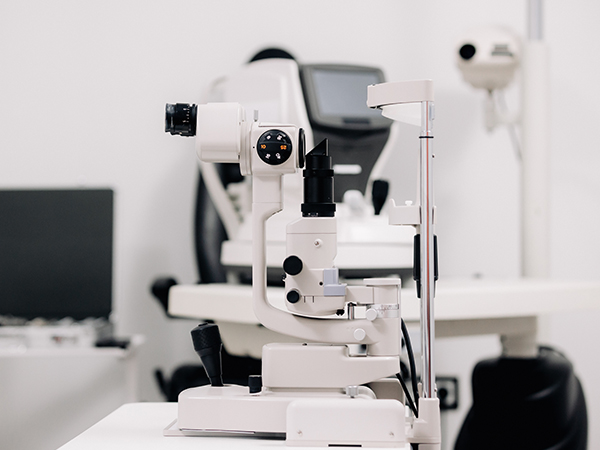
At Special Eye Care, we use modern optometry equipment and provide comprehensive eye exams to help patients better understand changes in their vision and eye health. If you have noticed cloudy vision, glare, or increased difficulty driving after dark, an exam can help determine the cause and the most appropriate next step.
For help with cloudy vision and nighttime driving concerns, schedule a comprehensive eye exam at Special Eye Care in Camp Springs, Maryland or Largo, Maryland, by calling (301) 298-3241.
Helpful Articles
article_category: products
article_category: psychiatry
article_category: faqs
article_category: cats
article_category: general
article_category: services
article_category: technology
article_category: dogs
article_category: restorative
article_category: vision therapy
article_category: contact lenses
article_category: health
article_category: conditions
article_category: eye surgery co-management
article_category: exotic
article_category: cosmetic
article_category: surgical procedures
article_category: aesthetics
article_category: preventative
article_category: ocular disease management
article_category: eyeglasses
article_category: eye health
article_category: large animal
[]
article_category: psychiatry
article_category: faqs
article_category: cats
article_category: general
article_category: services
article_category: technology
article_category: dogs
article_category: restorative
article_category: vision therapy
article_category: contact lenses
article_category: health
article_category: conditions
article_category: eye surgery co-management
article_category: exotic
article_category: cosmetic
article_category: surgical procedures
article_category: aesthetics
article_category: preventative
article_category: ocular disease management
article_category: eyeglasses
article_category: eye health
article_category: large animal
[]
Flowbite is an open-source library of interactive components built on top of Tailwind CSS including buttons, dropdowns, modals, navbars, and more.
Check out this guide to learn how to get started and start developing websites even faster with components on top of Tailwind CSS.
All Eye Care Services
Find personalized eye care excellence with our comprehensive services. From eye exams to advanced diagnostics, trust us for all your vision needs.

Keep In Touch
For non-urgent questions or to learn more about our services, contact us today!
Camp Springs
- 5210 Auth Rd
Camp Springs, MD 20746 - Phone: (301) 298-3241
- Fax: (301) 702-0023
- 1441 McCormick Dr
Upper Marlboro, MD 20774 - Phone: (301) 298-3241
- Fax: (301) 702-0023
Camp Springs Hours
- Monday 9:00am - 5:00pm
- Tuesday 9:00am - 5:00pm
- Wednesday 9:00am - 5:00pm
- Thursday 9:00am - 5:00pm
- Friday 9:00am - 5:00pm
- Saturday By Appointment Only
- Sunday Closed
- Monday 9:00am - 5:00pm
- Tuesday 9:00am - 5:00pm
- Wednesday 9:00am - 5:00pm
- Thursday 9:00am - 5:00pm
- Friday 9:00am - 5:00pm
- Saturday By Appointment Only
- Sunday Closed
- Monday
- Tuesday
- Wednesday
- Thursday
- Friday
- Saturday
- Sunday
Upper Marlboro
- 1441 McCormick Dr
Upper Marlboro, MD 20774 - Phone: (301) 298-3241
- Fax: (301) 702-0023
Upper Marlboro Hours
- Monday 9:00am - 5:00pm
- Tuesday 9:00am - 5:00pm
- Wednesday 9:00am - 5:00pm
- Thursday 9:00am - 5:00pm
- Friday 9:00am - 5:00pm
- Saturday By Appointment Only
- Sunday Closed
- Monday 9:00am - 5:00pm
- Tuesday 9:00am - 5:00pm
- Wednesday 9:00am - 5:00pm
- Thursday 9:00am - 5:00pm
- Friday 9:00am - 5:00pm
- Saturday By Appointment Only
- Sunday Closed
- Monday
- Tuesday
- Wednesday
- Thursday
- Friday
- Saturday
- Sunday
© 2026 Special Eye Care. All rights Reserved -
Accessibility Statement
-
Privacy Policy
-
Sitemap
Managed and Designed by 